FDA Cleared Skincare Devices Guide in the USA
FDA Cleared Skincare Devices Guide in the USA
Introduction: The FDA’s Critical Role in Safe Skincare Devices
For consumers navigating the crowded skincare device market in the USA, the phrase “FDA cleared” is more than a marketing buzzword—it’s a benchmark of safety and efficacy. The U.S. Food and Drug Administration (FDA) regulates medical devices, including those marketed for skincare, to ensure they are safe, effective, and properly labeled before reaching shelves. Unlike cosmetic products (which the FDA does not approve), skincare devices are classified based on their risk level, with clearance or approval required for all devices sold in the U.S.
In this guide, we’ll break down what FDA clearance means for skincare devices, explore key categories of cleared devices, explain how to verify clearance, and share safety tips to help you make informed choices. Whether you’re considering an at-home LED mask or a professional microdermabrasion treatment, understanding FDA regulations is essential to protecting your skin and avoiding ineffective or harmful products.
—
What Is FDA Clearance for Skincare Devices?
First, we need to clarify: the FDA does not “approve” most skincare devices—instead, it grants clearance or approval based on risk classification. Let’s break down the three main pathways, as outlined by the FDA’s Center for Devices and Radiological Health (CDRH):
1. 510(k) Clearance (Most Common)
This pathway applies to devices that are substantially equivalent to a “predicate device”—a device legally marketed in the U.S. before May 28, 1976 (the date the Medical Device Amendments took effect) or already cleared via 510(k). To gain clearance, manufacturers submit data proving their device is as safe and effective as the predicate.
The review process typically takes 90 days, but can extend to 180 days for complex devices. For example, the Neutrogena Light Therapy Acne Mask (510(k) K140183) was cleared by demonstrating equivalence to a 2010-predicate LED device for acne treatment.
2. De Novo Classification
For novel devices with no existing predicate, the De Novo pathway provides a way to classify the device and grant clearance. This is less common than 510(k) but critical for innovative technologies.
Example: The Tria Hair Removal Laser 4X (De Novo K101667) was the first at-home laser device cleared for permanent hair reduction—no predicate existed at the time, so the FDA classified it as a new Class II device.
3. Premarket Approval (PMA)
The most rigorous pathway, PMA is required for high-risk devices (e.g., professional microneedling, surgical lasers). Manufacturers must submit extensive clinical trial data, safety reports, and labeling information to prove the device is safe and effective for its intended use.
Example: The SkinPen Precision (PMA P130023) is a professional microneedling device that underwent 12 clinical trials to demonstrate efficacy in reducing facial wrinkles and acne scars.
Key Note: Clearance does not mean the device is “perfect” or guaranteed to work for everyone—it means the FDA has determined the device presents a reasonable level of safety and effectiveness for its intended use, based on the data submitted by the manufacturer.
—
Key Categories of FDA-Cleared Skincare Devices
Skincare devices span a range of technologies, each targeting specific skin concerns. Below are the most common FDA-cleared categories, with details on how they work, intended uses, and real-world examples.
1. LED Phototherapy Devices
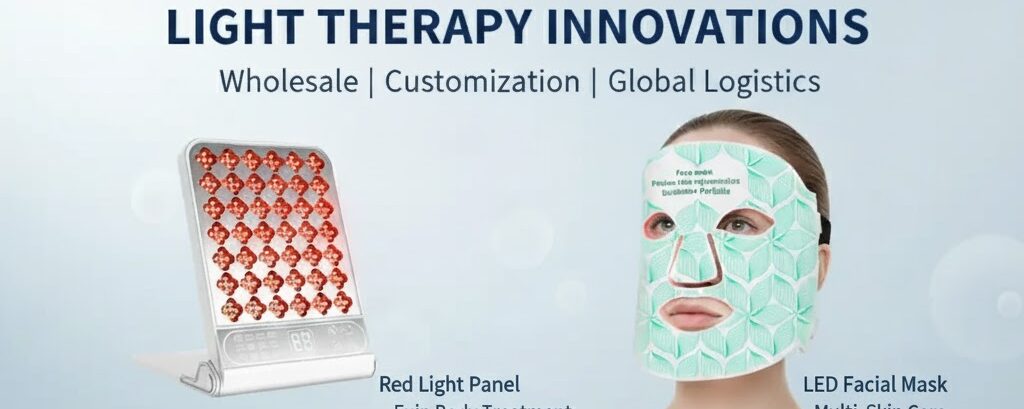
LED (Light Emitting Diode) devices use specific wavelengths of light to target skin concerns. The FDA has cleared LED devices for acne treatment, anti-aging, wound healing, and inflammation reduction.
How They Work:
– Blue Light (415–470 nm): Targets acne-causing bacteria (Cutibacterium acnes) by producing porphyrins that kill the bacteria when activated.
– Red Light (630–700 nm): Penetrates the dermis to stimulate collagen production, reduce fine lines, and improve skin texture.
– Near-Infrared Light (700–850 nm): Enhances blood circulation, reduces inflammation, and accelerates wound healing.
– Combination Light: Many devices use blue + red light to treat acne and reduce post-inflammatory hyperpigmentation (PIH).
FDA-Cleared Examples:
– Neutrogena Light Therapy Acne Mask: Cleared for mild to moderate acne. Uses 415 nm blue light to kill bacteria and 630 nm red light to reduce inflammation. 10-minute daily treatments show 30% lesion reduction after 4 weeks (per clinical data).
– Dr. Dennis Gross DRx SpectraLite FaceWare Pro: Cleared for temporary fine line/wrinkle reduction and mild acne. Features 100 LED bulbs (red, blue, green) for multi-targeted benefits.
– Tria Age-Defying Laser: Cleared for fine lines, wrinkles, and sun damage. Uses a 1440 nm diode laser to stimulate collagen production (requires 3–4 weekly treatments for 8 weeks).
Safety Considerations:
– Avoid eye contact (use protective goggles if required).
– Do not use on open wounds, active infections, or sensitive skin without dermatologist consultation.
– Mild redness/dryness may occur, subsiding within hours.
2. Microdermabrasion & Exfoliation Devices
Microdermabrasion uses mechanical exfoliation to remove dead skin cells from the epidermis, revealing smoother, brighter skin. The FDA has cleared both professional and at-home devices.
Types of Microdermabrasion:
– Crystal: Uses fine aluminum oxide crystals to exfoliate, suctioned away post-treatment.
– Non-Crystal (Diamond Tip): Uses a diamond-tipped wand to exfoliate—gentler, no crystal inhalation risk.
FDA-Cleared Examples:
– PMD Personal Microderm Pro: Cleared for temporary fine line/wrinkle/age spot reduction. Interchangeable diamond tips for different skin types (normal, sensitive, mature).
– Trophy Skin MicrodermMD: Cleared for mild acne scar reduction. Adjustable suction levels and a vacuum system to remove dead skin.
– SilkPeel Dermalinfusion (Professional): Cleared for deep exfoliation + serum infusion. Combines diamond-tip exfoliation with topical hyaluronic acid or vitamin C.
Safety Considerations:
– At-home devices are less powerful than professional ones—avoid sensitive areas (eyes, lips).
– Overuse (≥3 times weekly) can cause redness or scarring; follow manufacturer guidelines (1–2 times weekly).
– Rosacea, eczema, or active acne sufferers should consult a dermatologist first.
3. Radiofrequency (RF) Skin Tightening Devices
RF devices use non-ionizing radiation to heat the dermis, stimulating collagen production and tightening sagging skin. The FDA has cleared RF devices for facial/body tightening and fine line reduction.
How They Work:
RF energy generates heat (40–45°C) in the dermis, triggering the body’s healing response—new collagen and elastin form over 2–3 months.
FDA-Cleared Examples:
– NuFace Trinity: Cleared for temporary facial contour improvement and fine line reduction. Uses low-frequency RF + microcurrent to stimulate facial muscles.
– Foreo Bear: Cleared for fine line/wrinkle reduction and elasticity improvement. Combines RF, microcurrent, and T-Sonic massage.
– Thermage FLX (Professional): Cleared via PMA for full-face tightening and deep wrinkle reduction. Uses monopolar RF to heat deep tissue (1 treatment every 1–2 years).
Safety Considerations:
– Mild warmth/redness during use is normal; subsides within 30 minutes.
– Avoid pacemakers, metal implants, or active inflammation.
– Pregnant people should consult a healthcare provider.
4. Microneedling Devices
Microneedling uses tiny needles to create micro-injuries in the skin, stimulating collagen production. The FDA classifies devices based on needle length:
– At-Home: ≤0.3 mm (cosmetic, but some manufacturers seek clearance).
– Professional: >0.3 mm (medical device, requires clearance).
FDA-Cleared Examples:
– BeautyBio GloPRO: Cleared for temporary fine line/wrinkle reduction. 0.3 mm needles (safe for at-home use) enhance skincare absorption.
– SkinPen Precision (Professional): Cleared via PMA for facial wrinkle/acne scar reduction. Adjustable needles (0.25–2.5 mm) require a licensed practitioner.
– Dermapen 4 (Professional): Cleared for stretch mark/fine line reduction. Vibrating needle tip for precise treatment.
Safety Considerations:
– At-home devices: Use sterile needles, clean skin pre-treatment.
– Professional devices: Avoid infection/scarring by choosing trained practitioners.
– Do not use on active acne, open wounds, or psoriasis.
5. Acne Treatment Devices
Acne devices target bacteria, excess oil, and inflammation using light, heat, or laser energy.
FDA-Cleared Examples:
– Zeno Acne Device: Cleared for mild to moderate acne lesions. Controlled heat (45°C) kills bacteria in 2–3 minutes per lesion.
– FOREO Espada: Cleared for mild acne. Blue light + sonic technology targets bacteria in pores.
– Fraxel Dual Laser (Professional): Cleared via PMA for acne scars and active acne. Combines 1927 nm (epidermis) and 1550 nm (dermis) wavelengths.
Safety Considerations:
– Do not use Zeno on open wounds or irritated skin.
– Laser devices require professional use to avoid burns/hyperpigmentation.
– Sensitive skin: Start with short treatment times.
6. Intense Pulsed Light (IPL) Devices
IPL uses broad-spectrum light to target pigment, blood vessels, and hair. Cleared for sun damage, rosacea, and hair removal.
How They Work:
IPL targets melanin (pigment) and hemoglobin (blood vessels), breaking down unwanted pigment and reducing redness. Filters adjust for specific concerns.
FDA-Cleared Examples:
– Philips Lumea Prestige: Cleared for permanent hair reduction and sun damage improvement. 5 light settings for different skin types.
– BBL Hero (Professional): Cleared via PMA for anti-aging, acne, and pigmentation. Broadband light targets multiple concerns in one treatment.
Safety Considerations:
– Temporary redness/swelling may occur; fades within 24 hours.
– Avoid sun exposure for 2–4 weeks pre/post-treatment to prevent hyperpigmentation.
– Dark skin tones: Use devices designed for Fitzpatrick IV–VI skin to avoid burns.
—
How to Verify FDA Clearance for Skincare Devices
Many brands make false “FDA-approved” claims—here’s how to verify legitimacy:
Step 1: Check the FDA’s 510(k) Database
The FDA maintains a public database of cleared devices. To search:
1. Visit https://www.accessdata.fda.gov/scripts/cdrh/cfdocs/cfPCD/classification.cfm.
2. Enter the device name, brand, or 510(k) number (e.g., K140183).
3. Confirm the device’s clearance status and intended use.
Step 2: Look for the 510(k) Number
Legitimate devices display their 510(k)/PMA number on the device, packaging, or website.
Step 3: Avoid Red Flags
– Claims like “FDA approved” (most skincare devices are cleared, not approved).
– No clearance number provided.
– Unrealistic claims (e.g., “permanent anti-aging in 1 week”).
Example Verification: For the Neutrogena Light Therapy Acne Mask:
– Search the database for “Neutrogena Light Therapy Acne Mask” → Find 510(k) K140183.
– Confirm clearance date (2014) and intended use (mild to moderate acne).
—
Safety Considerations for FDA-Cleared Skincare Devices
Even cleared devices can cause harm if used incorrectly. Follow these guidelines:
1. Read the Label Carefully
Adhere to treatment time, frequency, and contraindications (e.g., “avoid use on sensitive skin”).
2. Know Your Contraindications
Avoid devices if you have:
– Active skin infections (herpes, impetigo).
– Open wounds or burns.
– Pacemakers/metal implants (RF/laser devices).
– Photosensitivity (medication, lupus).
– Pregnancy/breastfeeding (consult a provider).
3. Start Slow
For at-home devices, begin with shorter times/lower intensity to test skin reaction.
4. Post-Treatment Care
– Use SPF 30+ daily to prevent sun damage/hyperpigmentation.
– Avoid harsh products (exfoliants, retinol) for 24–48 hours.
– Moisturize to hydrate skin.
5. Report Adverse Events
If you experience severe reactions (blisters, scarring), stop use and report to the FDA via FAERS (https://www.fda.gov/safety/report-problem-fda).
—
Common Myths vs. Facts About FDA-Cleared Skincare Devices
Let’s debunk misconceptions:
| Myth | Fact |
|——|——|
| “FDA cleared means 100% safe.” | Clearance means reasonable safety for intended use—side effects (redness) are possible with incorrect use. |
| “All skincare devices in the USA are cleared.” | Cosmetic devices (e.g., non-cleared microneedling) do not require clearance. Only medical devices (treat/improve skin conditions) need it. |
| “Cleared devices are more effective than non-cleared ones.” | Non-cleared cosmetic devices may work for general skincare, but cleared devices are proven safe/effective for specific medical purposes. |
| “Professional devices are always better.” | Professional devices are more powerful, but at-home devices are convenient for mild concerns. Choose based on your needs. |
| “You can use multiple devices at once.” | Combining devices (LED + RF) increases irritation risk. Consult a dermatologist first. |
—
Top FDA-Cleared Skincare Devices (2024 Update)
Below are popular, effective cleared devices:
1. Neutrogena Light Therapy Acne Mask
– Clearance: 510(k) K140183
– Use: Mild to moderate acne
– Pros: Affordable ($39.99), 10-minute treatments, FDA-cleared
– Cons: Mild dryness, not for severe acne
2. NuFace Trinity Facial Toning Device
– Clearance: 510(k) K113396
– Use: Temporary facial contour/fine line reduction
– Pros: Portable, long-lasting results (regular use), safe for sensitive skin
– Cons: Expensive ($339), requires gel
3. PMD Personal Microderm Pro
– Clearance: 510(k) K101667
– Use: Fine line/wrinkle/age spot reduction
– Pros: Interchangeable tips, easy to clean
– Cons: Redness if overused, not for sensitive skin
4. SkinPen Precision (Professional)
– Clearance: PMA P130023
– Use: Facial wrinkle/acne scar reduction
– Pros: Clinical-grade, minimal downtime (1–2 days)
– Cons: $200–$500 per treatment, requires professional
5. Philips Lumea Prestige IPL Device
– Clearance: 510(k) K101667
– Use: Permanent hair reduction/sun damage improvement
– Pros: At-home use, 4–6 treatments for results
– Cons: $499 upfront, slow for thick hair
—
Future Trends in FDA-Cleared Skincare Devices
The market is evolving with innovative technologies:
1. AI-Powered Personalization
AI devices analyze skin type/concerns to adjust treatment settings. For example, the CurrentBody Skin LED Mask uses AI to detect acne lesions and target them with blue light.
2. Wearable Skincare Tech
Wearable devices (smart patches, LED wristbands) provide continuous, hands-free treatment. The DermaFlash LUX (cleared for exfoliation) is a wearable device that uses sonic technology.
3. Combination Devices
Devices combining multiple technologies (RF + LED + microneedling) offer multi-targeted benefits. The Silk’n Titan 2 (cleared for skin tightening) adds LED light to RF therapy.
4. Sustainable Devices
Manufacturers are using reusable parts and eco-friendly materials. The FOREO UFO 2 (cleared for facial treatment) uses rechargeable batteries and recyclable packaging.
5. Telehealth Integration
Cleared devices integrate with telehealth platforms, allowing dermatologists to monitor progress remotely. The SkinCeuticals Custom D.O.S.E. (cleared for personalized skincare) links to a telehealth app.
—
Conclusion: Making Informed Choices
FDA clearance is a critical tool for identifying safe, effective skincare devices. By verifying clearance via the FDA database, following safety guidelines, and consulting a dermatologist for complex concerns, you can choose devices that meet your skin needs without risk.
Remember: No device is one-size-fits-all. Start slow, monitor your skin, and prioritize devices that align with your goals. Whether you’re treating acne or reducing wrinkles, FDA-cleared devices offer a reliable path to healthy, glowing skin.
For more information, visit the FDA’s CDRH website (https://www.fda.gov/medical-devices) or consult a licensed dermatologist.
 SV
SV  IT
IT  DE
DE  ES
ES  FR
FR