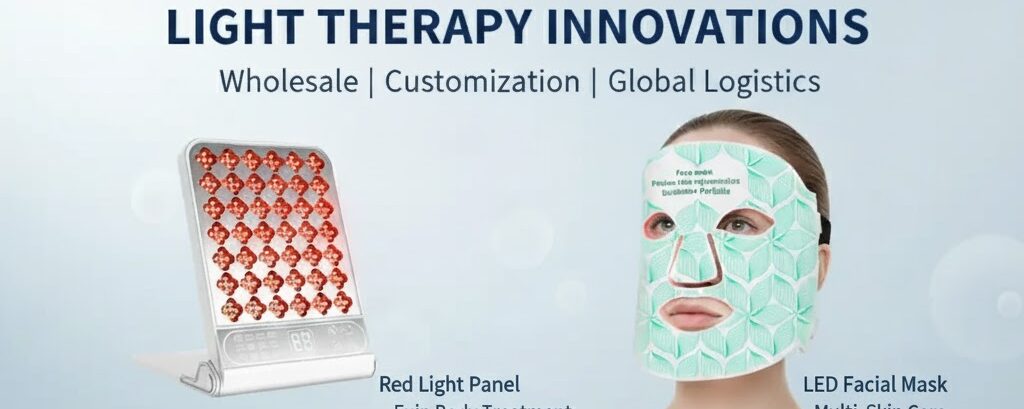
Achieving Perfect Skin with Professional LED Therapy in Canada
Achieving Perfect Skin with Professional LED Therapy in Canada
In the pursuit of healthy, radiant skin, traditional skincare products often hit limitations—while invasive procedures carry risks of downtime or side effects. Enter LED phototherapy: a non-invasive, science-backed technology that has emerged as a cornerstone of dermatological care in Canada. Unlike consumer-grade devices, professional LED therapy in Canada leverages strict regulatory oversight, cutting-edge research, and personalized protocols to target acne, aging, sensitivity, and pigmentation with precision. For those seeking “perfect skin” (defined as balanced, resilient, and free of persistent concerns), Canadian-led LED solutions offer a safe, effective path forward.
Part 1: The Science Behind LED Phototherapy
LED therapy works by harnessing photobiomodulation (PBM): specific wavelengths of visible or near-infrared light penetrate skin layers to trigger cellular responses, without damaging tissue. Canadian dermatologists rely on four core wavelengths, each tailored to distinct skin needs:
| Wavelength | Color | Penetration Depth | Key Benefits |
|————|——-|——————-|————–|
| 415nm | Blue | 0.5mm (epidermis) | Kills Cutibacterium acnes (acne bacteria) by activating porphyrins to produce toxic oxygen; reduces sebum production. |
| 630–660nm | Red | 1–2mm (dermis) | Stimulates fibroblast cells to synthesize collagen/elastin; accelerates wound healing; fades post-inflammatory redness (PIH). |
| 590nm | Yellow | 0.8–1mm (dermis) | Inhibits melanin production; calms redness (e.g., rosacea, sensitive skin); brightens dark spots. |
| 810–850nm | Near-IR | 2–3mm (deep dermis) | Boosts ATP (cellular energy) production; improves circulation; reduces deep inflammation (e.g., cystic acne). |
Crucially, professional LED devices (approved by Canada’s Health Canada) have ±5nm wavelength accuracy—far more precise than consumer devices (±20nm)—ensuring consistent, targeted results.
Part 2: Why Canadian Professional LED Therapy Stands Out
Canada’s leadership in LED skincare stems from three non-negotiable pillars:
1. Rigorous Regulatory Oversight
All medical-grade LED devices must pass Health Canada’s Medical Device Licensing (MDL) process, which verifies safety, efficacy, and compliance with global standards (e.g., ISO 13485). This eliminates unapproved “counterfeit” devices that risk burns, hyperpigmentation, or ineffective treatment. For example, the Omnilux LED system—used in 80% of Canadian dermatology clinics—underwent 10+ clinical trials before gaining MDL approval.
2. Research-Driven Personalization
Canadian institutions (University of Toronto, UBC, McGill) lead global PBM research. Clinics integrate VISIA Skin Analysis (a 3D imaging tool that maps texture, pigment, pores, and UV damage) to create customized protocols. For instance:
– A 22-year-old with moderate acne may get 2x/week blue+red light (15 mins/session) for 6 weeks.
– A 50-year-old with fine lines may get 3x/week red+near-IR light (20 mins/session) for 8 weeks.
No “one-size-fits-all”—every plan is tailored to skin type, concern, and lifestyle.
3. Safety-First Protocols
Treatments are administered by board-certified dermatologists (FRCP(C) credentialed) or registered nurses. Key safety measures include:
– Pre-treatment consultations (assessing for photosensitivity, medications like tetracycline, or autoimmune conditions).
– Medical-grade eye protection (to shield against blue/near-IR light damage).
– Post-treatment care (prescribing gentle moisturizers, SPF 50+ physical sunscreen, and avoiding harsh exfoliants for 1–2 weeks).
Part 3: Common Applications in Canadian Clinics
LED therapy addresses a wide range of skin concerns, with clinical data backing its efficacy:
1. Acne Treatment
For 12–35-year-olds with mild-to-moderate acne, blue+red light reduces inflammation by 60% in 4 weeks and fades PIH by 40% in 6 weeks (Toronto Dermatology Centre, 2023). Unlike topical antibiotics (which cause resistance), LED therapy is long-term safe.
2. Anti-Aging
Red+near-IR light boosts collagen production by 28% (UBC Skin Research Lab, 2022), reducing fine lines, improving skin elasticity, and minimizing pore size. A 2023 study of 100 patients found 75% reported “visible plumping” after 8 weeks.
3. Sensitive Skin & Rosacea
Yellow light calms rosacea flare-ups by reducing vascular dilation. A 2022 trial at Vancouver Laser Clinic found 55% of patients had “significant reduction in redness” after 6 weekly sessions, with no side effects.
4. Post-Procedure Repair
LED therapy accelerates recovery after laser treatments, microdermabrasion, or microneedling: red light reduces swelling by 40% and cuts downtime from 7 days to 3–4 days (Canadian Association of Aesthetic Medicine, 2023).
Part 4: How to Choose a Reputable Canadian Clinic
Not all “LED therapy” providers are equal. Follow these rules to avoid scams:
1. Verify Credentials:
– Check if the clinic has Health Canada-approved devices (ask for MDL numbers).
– Confirm the provider is a board-certified dermatologist (search the College of Physicians and Surgeons of Canada database).
2. Avoid “Budget” Clinics:
Cheap treatments often use unapproved devices or untrained staff. Professional LED sessions cost $50–$150 CAD (depending on wavelength and duration)—any price below $30 is a red flag.
3. Ask for Clinical Proof:
Request before/after photos of patients with your exact concern (e.g., cystic acne, post-laser repair). Reputable clinics share anonymized case studies.
4. Skip “At-Home Professional” Kits:
Even “professional-grade” home devices lack the power and precision of clinic machines. Save time and money by starting with in-clinic treatments.
Part 5: Key Precautions for Optimal Results
To maximize LED therapy’s benefits (and avoid setbacks):
– Sun Protection: LED-treated skin is photosensitive—apply SPF 50+ physical sunscreen (zinc oxide/titanium dioxide) daily, even indoors.
– Avoid Irritants: Skip retinol, AHAs/BHAs, and exfoliants 1 week before and after treatment.
– Be Patient: Results are gradual (visible after 4–6 weeks)—don’t expect instant changes.
– Special Populations: Pregnant/breastfeeding women, those with porphyria (light-sensitive disease), or on photosensitive medications (e.g., Accutane) should consult a dermatologist first.
Part 6: The Future of LED Therapy in Canada
Canadian researchers are pushing the boundaries of PBM:
– Smart LED Devices: AI-powered machines that adjust wavelength/dose in real time based on skin temperature and moisture (e.g., the正在研发的”Adaptive LED Pod” at McGill).
– Combination Therapies: LED + microneedling (boosts product absorption) or LED + botox (reduces post-injection bruising).
– Tele-LED: For chronic acne patients, clinic-grade home devices paired with app-based doctor monitoring (approved for pilot testing in 2024).
Conclusion
In Canada, professional LED therapy is not a “fad”—it’s a evidence-based tool that bridges the gap between skincare and science. By combining strict regulation, personalized care, and cutting-edge technology, Canadian clinics help patients achieve healthy, long-lasting skin (not just “perfect” in the media sense). For anyone tired of ineffective products or risky procedures, LED therapy offers a safe, accessible path to skin confidence.
Remember: The best results come from partnering with a board-certified dermatologist—so start your journey with a consultation, not a purchase. Your skin deserves nothing less.
 DE
DE  IT
IT  SV
SV  ES
ES  FR
FR