Beginners Guide to LED Light Therapy_ What You Need to Know in Sweden
Beginners Guide to LED Light Therapy: What You Need to Know in Sweden
Introduction: Why LED Light Therapy Matters in Sweden
Sweden’s high latitude—with northern regions like Lapland seeing less than 4 hours of daily sunlight in winter—makes it a global hotspot for Seasonal Affective Disorder (SAD), affecting 10–20% of the population (Swedish Public Health Agency, 2023). Beyond SAD, LED light therapy has gained traction for skin health, post-exercise recovery, and pain relief, thanks to its non-invasive, evidence-based benefits. For Swedish beginners, navigating this field requires understanding local regulations, tailored uses, and safe practices—this guide breaks it all down.
What Is LED Light Therapy?
LED (Light-Emitting Diode) therapy uses specific wavelengths of light to trigger biological responses in the body, without heat or UV radiation (unlike tanning beds). Key wavelengths relevant to Sweden include:
| Wavelength Range | Color | Core Benefits | Swedish Use Case |
|——————|——-|—————|——————|
| 450–495nm | Blue | Regulates circadian rhythm, boosts serotonin (mood hormone) | SAD treatment |
| 620–750nm | Red | Stimulates collagen production, reduces inflammation | Acne, wrinkle reduction |
| 780–1400nm | Near-Infrared (NIR) | Deep tissue repair, relieves muscle/joint pain | Post-workout recovery (popular among Swedish athletes) |
Unlike generic LED bulbs, therapeutic devices are calibrated for consistent intensity and targeted wavelengths—critical for safety and efficacy.
Common LED Light Therapy Uses in Sweden
Swedes turn to LED therapy for three primary reasons, aligned with local lifestyle and health needs:
1. Seasonal Affective Disorder (SAD)
SAD is the most widespread use: winter’s low sunlight disrupts the body’s internal clock, leading to fatigue, low mood, and sleep disturbances. Swedish guidelines recommend 10,000 lux blue/white light therapy (mimicking natural sunlight) for 20–30 minutes daily, ideally in the morning (to suppress melatonin, the sleep hormone, and boost alertness).
Many Swedes integrate this into their routine: using a light lamp while eating breakfast or working at a desk. Northern residents often keep devices in cabins or offices to combat extreme light deprivation.
2. Skin Health
Swedish dermatologists (e.g., from the Swedish Dermatological Society) recommend red/NIR LED therapy for:
– Acne: Red light reduces inflammation, while blue light kills acne-causing bacteria (without drying out skin, unlike topical treatments).
– Anti-aging: Stimulates collagen production to reduce fine lines—popular among Swedes who prioritize natural skincare.
3. Post-Exercise Recovery
Sweden’s active culture (hiking, skiing, gym-goers) drives demand for NIR LED devices: they penetrate deep into muscles to reduce soreness and speed up recovery, often used by athletes and fitness enthusiasts.
How to Choose the Right LED Device for Swedish Beginners
With many unregulated products on the market, follow these rules to pick a safe, effective device:
1. Prioritize EU/Swedish Certifications
All therapeutic LED devices must have:
– CE Mark: Mandatory for EU sales, indicating compliance with safety standards.
– MDR Certification: For medical-grade devices (e.g., SAD lamps used for clinical treatment), required under the EU Medical Device Regulation.
Avoid uncertified products (e.g., cheap online imports without CE marks)—they may emit incorrect wavelengths, cause eye strain, or be ineffective.
2. Match Wavelength to Your Need
– SAD: Choose a 10,000 lux blue/white lamp (distance: 30–50cm from eyes; do NOT stare directly).
– Skin: Red/NIR combo devices (look for 630nm + 850nm wavelengths).
– Pain Relief: NIR devices (800–900nm) with adjustable intensity.
3. Consider Portability & Lifestyle
Swedes often need devices for travel, offices, or cabins:
– Desktop lamps: Ideal for home/office (e.g., Philips goLITE BLU, sold at Apoteket).
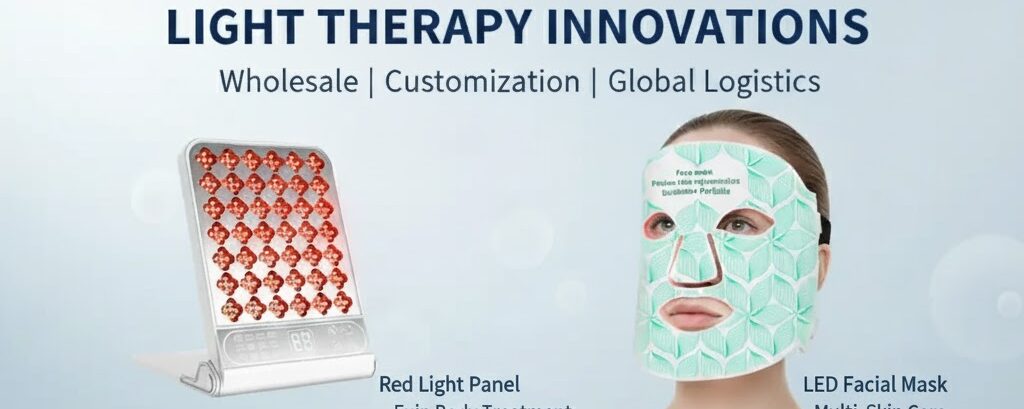
– Wearable devices: Portable LED masks for skin (e.g., Dr. Dennis Gross, available at Sephora Sweden).
– Handheld devices: For targeted pain relief (e.g., Theragun with LED attachments).
4. Budget & Warranty
– Entry-level: 500–1,500 SEK (e.g., basic SAD lamps from Nordic Light).
– Medical-grade: 2,000–5,000 SEK (e.g., Verilux HappyLight, with 2-year warranty).
Safe & Effective Use: Step-by-Step Guide
Follow these Swedish-recommended practices to avoid side effects:
1. SAD Therapy Steps
– Timing: Morning (7–9 AM) is best to align with your circadian rhythm.
– Distance: 30–50cm from the lamp (closer = too intense; farther = ineffective).
– Duration: 20–30 minutes daily (consistency beats longer sessions).
– Avoid: Staring directly (look at your phone or a book while the lamp is on); using before bed (blue light disrupts sleep).
2. Skin Therapy Steps
– Cleanse skin: Remove makeup/oil before use.
– Distance: 10–15cm from the target area.
– Duration: 10–15 minutes per area (e.g., face, neck).
– Avoid: Wounds, sunburns, or sensitive skin (consult a dermatologist if you have eczema).
3. Key Safety Notes
– Eye Protection: Never stare at blue light lamps (risk of retinal damage). Wear UV-protective glasses if using NIR devices near eyes.
– Medical Conditions: Consult a doctor if you have epilepsy (some wavelengths may trigger seizures), pregnancy, or chronic illnesses.
– Side Effects: Rare, but may include mild headache or eye strain—reduce duration if this occurs.
Where to Buy LED Devices in Sweden
Stick to trusted, regulated retailers to avoid counterfeits:
1. Pharmacies: Apoteket Hjärtat, Apoteket 1 (sell CE-certified SAD lamps and skin devices).
2. Medical Equipment Stores: Medisana, Läkemedelsvaror (specialize in medical-grade devices).
3. Online Platforms: Amazon.se (filter for “CE certified”), Apoteket.se (official pharmacy site).
4. Beauty Stores: Sephora Sweden (skin-focused LED masks).
Avoid street vendors or unbranded online sellers—they often lack certifications and may be harmful.
Common Myths Debunked
1. “Stronger = Better”: Over 10,000 lux can cause eye strain or headaches. Swedish guidelines cap SAD lamps at 10,000 lux.
2. “Any LED bulb works”: Generic bulbs have incorrect wavelengths and low intensity—they won’t treat SAD or skin issues.
3. “No doctor needed”: If you have severe SAD (e.g., suicidal thoughts) or chronic skin conditions, consult a Swedish GP or dermatologist first.
4. “One session fixes everything”: SAD takes 2–4 weeks of daily use to show results; skin improvements take 4–6 weeks.
Conclusion
LED light therapy is a safe, accessible tool for Swedes facing winter’s light deprivation, skin concerns, or post-exercise recovery. By choosing certified devices, following local guidelines, and aligning use with your needs, you can unlock its benefits without risk. Start small (e.g., a basic SAD lamp for winter) and consult a professional if you have medical questions—this is the key to successful LED therapy in Sweden.
Remember: consistency and safety are more important than fancy devices. With the right approach, LED therapy can help you feel brighter, healthier, and more energized—even in the darkest Swedish winters.
 FR
FR  IT
IT  DE
DE  SV
SV  ES
ES