LED Therapy At Home vs In Clinic in the Netherlands
LED Therapy At Home vs In Clinic in the Netherlands: A Comprehensive Guide
Walk into any beauty salon in Utrecht or pharmacy in Rotterdam, and you’ll likely spot LED therapy devices—from compact handheld tools to full-face masks. In the Netherlands, this light-based treatment has exploded in popularity, promising clearer skin, reduced wrinkles, and even pain relief for athletes. But for many consumers, a critical question lingers: Is at-home LED therapy as effective as in-clinic sessions? And which option aligns with your needs, budget, and skin goals?
First: What Is LED Therapy, Exactly?
LED (Light Emitting Diode) therapy uses specific wavelengths of light to target skin concerns without heat or irritation. In the Netherlands, the most common wavelengths are:
– Blue light (415nm): Kills Propionibacterium acnes (the bacteria causing acne) and reduces inflammation—ideal for mild to moderate pimples.
– Red light (633nm): Stimulates collagen production, boosts blood flow, and speeds up wound healing—perfect for anti-aging (fine lines, dullness) and post-treatment repair.
– Near-infrared (850nm): Penetrates deeper into the skin and muscles to reduce pain, inflammation, and improve recovery (popular among Dutch athletes for sports injuries).
Unlike lasers (which use concentrated heat), LED therapy is non-invasive and has no downtime—making it a go-to for busy Dutch consumers.
At-Home LED Therapy in the Netherlands: Convenience & Accessibility
The Dutch market is flooded with at-home LED devices, sold at pharmacies (like Kruidvat), online retailers (Bol.com, Coolblue), and beauty stores (Sephora). Key details to know:
1. Device Types & Costs
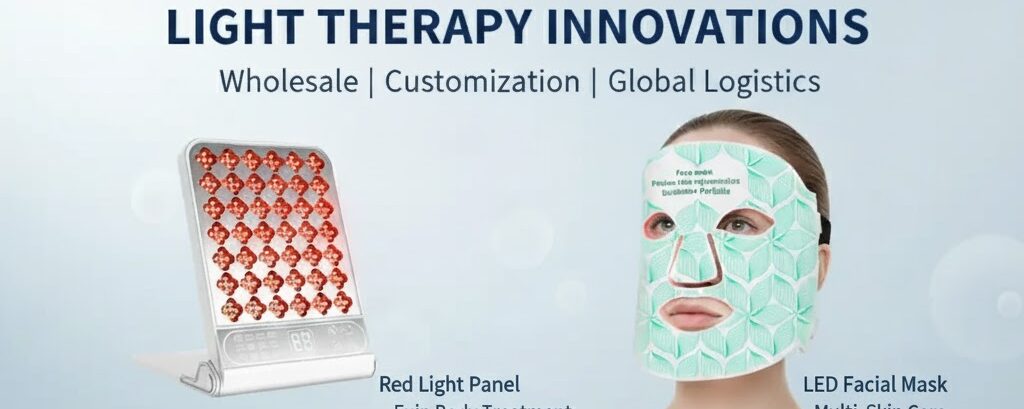
– Full-face masks: The most popular option (e.g., Dr. Dennis Gross SpectraLite FaceWare Pro, Foreo UFO 2). Prices range from €299 to €599.
– Handheld tools: Compact and targeted (e.g., Philips Lumea Precision Plus, which includes LED for acne). Prices start at €129.
– Body panels: For larger areas (back acne, muscle pain)—less common but available for €499+.
2. Regulation in the Netherlands
All medical-grade at-home devices must be CE-marked and approved by the Nederlandse Voedsel- en Warenautoriteit (NVWA) (Dutch Food and Consumer Product Safety Authority). Beauty-focused devices (e.g., anti-aging masks) fall under cosmetic regulations, so they don’t require clinical trials—but consumers should check for CE marking to ensure safety.
3. Pros & Cons of At-Home Use
| Pros | Cons |
|———-|———-|
| Convenience: Use while working from home, watching TV, or before bed—no appointments needed. | Low power: Home devices have limited wattage (≤100mW/cm²) to avoid skin damage, so results take longer. |
| Cost-effective long-term: A €399 mask pays for itself after 8–10 clinic sessions (average €50/session). | No professional guidance: Users may misjudge wavelength, time, or frequency (e.g., overusing blue light on sensitive skin). |
| Privacy: Ideal for those uncomfortable with in-clinic treatments (e.g., teens with acne). | Limited coverage: Masks only target the face; body panels are rare and expensive. |
In-Clinic LED Therapy in the Netherlands: Professional Precision
Clinic-based LED therapy is offered by dermatologists (e.g., Huidkliniek Nederland), certified beauty therapists, and sports medicine clinics. Unlike home devices, these treatments are tailored to individual needs.
1. Device & Treatment Details
– Medical-grade equipment: Clinics use high-power devices (200–500mW/cm²) with precise wavelength control (e.g., the Lumecca system, popular in Dutch clinics). Many include cooling technology to prevent overheating.
– Combination treatments: Often paired with microdermabrasion, chemical peels, or microneedling (e.g., post-microneedling LED to reduce redness and boost collagen).
2. Cost & Reimbursement
– Single session: €50–€120 (face) / €100–€180 (back).
– Course of 6–8 sessions: €300–€800.
– Reimbursement: Under the Dutch Zorgverzekeringswet (Health Insurance Act), medical LED therapy (e.g., treating severe acne, post-surgical wound healing) may be partially reimbursed if prescribed by a dermatologist. Cosmetic treatments (anti-aging, dullness) are not covered.
3. Pros & Cons of In-Clinic Sessions
| Pros | Cons |
|———-|———-|
| Faster results: Most users see 30–50% improvement in acne or fine lines after 3–4 sessions. | Time-consuming: Requires appointments (1–2 hours each) and commuting. |
| Professional assessment: Dermatologists evaluate skin type, concerns, and contraindications (e.g., avoiding LED if using photosensitive medications like doxycycline). | Higher upfront cost: A full course is more expensive than a home device. |
| Targeted solutions: Ideal for severe issues (cystic acne, deep wrinkles, sports-related muscle pain). | Less flexible: Sessions are scheduled in advance—hard to fit into busy Dutch work/life routines. |
Key Comparison: Home vs Clinic in the Netherlands
To help you decide, here’s a side-by-side breakdown of the most important factors:
| Factor | At-Home | In-Clinic |
|————|————-|—————|
| Best For | Mild acne, anti-aging maintenance, dullness | Severe acne, deep wrinkles, post-surgical repair, muscle pain |
| Effect Speed | 4–8 weeks for visible results | 2–4 weeks for noticeable improvement |
| Professional Support | None (self-guided) | Dermatologist/therapist assessment & follow-up |
| Cost (12 months) | €399 (mask) + €0 (maintenance) | €600 (6 sessions) + €0 (if no additional treatments) |
| Convenience | High (anytime, anywhere) | Low (appointments required) |
| Safety | Safe (low power) but risk of misuse | Very safe (professional monitoring, cooling systems) |
Dutch Consumer Insights: What the Experts Say
The Consumentenbond (Dutch Consumer Association) tested 12 at-home LED devices in 2023. Key findings:
– Only 5 devices were CE-marked and effective: Dr. Dennis Gross, Foreo, and Philips were top performers.
– Uncertified devices (sold on AliExpress) had inconsistent wavelengths and risked skin irritation.
Dutch dermatologist Dr. Anne-Marie van der Velden recommends:
> “For mild acne or anti-aging, a CE-marked home device is a great option. But if you have cystic acne or deep wrinkles, see a dermatologist—clinic treatments are more powerful and targeted.”
Critical Safety Tips (For Both Home & Clinic)
1. Eye Protection: Always wear UV/LED goggles (available at Dutch pharmacies) to avoid retinal damage.
2. Photosensitivity: Avoid LED therapy if you’re taking antibiotics (e.g., doxycycline) or have a skin condition like psoriasis.
3. Frequency: Don’t overuse—home devices: 3–5 times/week; clinic: 1–2 times/week.
4. Post-Treatment: Apply sunscreen (SPF 30+) daily—LED light increases skin sensitivity to the sun.
Final Verdict: Which Is Right for You?
– Choose at-home if: You have mild skin concerns, want convenience, and prefer long-term cost savings. Opt for a CE-marked device from a trusted brand.
– Choose in-clinic if: You have severe issues (cystic acne, deep wrinkles) or need professional guidance. Check if your insurance covers medical treatments.
– Hybrid option: Many Dutch users combine clinic sessions (for initial results) with at-home maintenance (to sustain improvements)—the best of both worlds.
In the Netherlands, LED therapy is here to stay—whether you’re a busy professional using a mask at home or a teen seeing a dermatologist for acne. The key is to match the treatment to your needs, budget, and skin goals. And always remember: safety first—stick to certified devices and professional guidance when needed.
 FR
FR  IT
IT  DE
DE  SV
SV  ES
ES