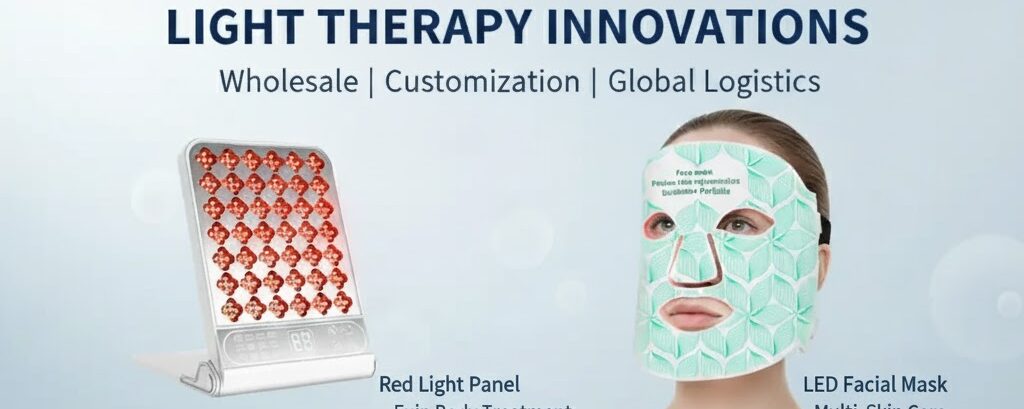
The Dos and Don’ts of Using LED Light Therapy in France
The Dos and Don’ts of Using LED Light Therapy in France
In recent years, LED light therapy has exploded in popularity across France, with applications ranging from professional dermatological treatments (acne, wound healing) to at-home beauty devices (anti-aging, skin repair). However, the rapid growth of this market has also led to widespread confusion: many consumers struggle to distinguish between safe, effective tools and risky, unregulated products. To navigate this landscape responsibly, it is critical to adhere to France’s strict regulatory framework and evidence-based best practices. Below is a comprehensive breakdown of the dos and don’ts of LED light therapy in France.
Part 1: The Critical Dos of LED Light Therapy in France
France’s healthcare and beauty sectors are governed by rigorous standards—most notably by the Agence nationale de sécurité du médicament et des produits de santé (ANSM, France’s equivalent of the FDA) and the Société Française de Dermatologie (SFD, French Dermatological Society). These bodies have issued clear guidelines to ensure safe, effective use of LED light therapy.
1. Do Choose Devices Certified by French Regulatory Bodies
The most fundamental rule is to only use LED equipment that meets French safety standards. Here’s what to look for:
– ANSM Approval: For medical-grade LED devices (e.g., those used to treat acne, chronic wounds, or rosacea), ANSM requires formal approval. These devices are classified by risk level (Class I to Class III):
– Class I (low risk): At-home devices for mild skin repair (e.g., red light for anti-aging).
– Class IIa/IIb (moderate risk): Professional tools for acne or post-surgical healing (e.g., blue light for inflammatory acne).
– CE Marking: All devices sold in the EU (including France) must bear the CE mark, but this is not sufficient for medical use. Medical devices require additional ANSM registration.
– Avoid “Uncertified” Products: ANSM issued a 2023 warning about unregulated LED masks sold on social media (e.g., TikTok, Instagram) that lack CE marking or ANSM approval. These often have incorrect wavelengths (e.g., too strong blue light) or unstable power, leading to skin burns or retinal damage.
2. Do Consult a Professional Before Starting
France’s dermatological community emphasizes that LED light therapy is not a “one-size-fits-all” solution. Always:
– See a Dermatologist for Medical Use: If you’re using LED therapy to treat a condition (e.g., severe acne, psoriasis), a dermatologist will assess your skin type, medical history (e.g., medications that cause photosensitivity), and recommend the right wavelength (red: 630–660nm for repair; blue: 415nm for acne; near-infrared: 800–900nm for deep tissue healing).
– Ask for Professional Guidance for At-Home Use: Even for at-home devices, the SFD recommends consulting a dermatologist or certified beauty therapist to avoid misuse. For example, sensitive skin (common in France’s dry climate) should avoid high-intensity blue light, as it can trigger redness.
3. Do Follow Device Instructions Strictly
Overuse or incorrect use is the leading cause of adverse reactions in France. Stick to these guidelines:
– Time Limits: Most devices recommend 10–20 minutes per session, 2–3 times weekly. The SFD warns against daily use, as it can damage the skin barrier (leading to dryness or pigmentation).
– Distance: Maintain a 15–30cm distance from the skin—too close can cause thermal burns (ANSM reported 12 cases of burns from overheated LED masks in 2022).
– Wavelength Matching: Never mix unprescribed wavelengths (e.g., combining red and blue light without professional advice). For example, blue light should only be used for acne, not for sensitive skin.
4. Do Protect Your Skin and Eyes
LED light therapy can cause temporary sensitivity—take these steps to avoid harm:
– Pre-Treatment: Cleanse skin with a gentle, fragrance-free cleanser (e.g., La Roche-Posay Toleriane) to remove makeup, sunscreen, or oils (residues can block light or cause irritation).
– Eye Protection: Wear UV/blue light-blocking goggles during sessions. The Société Française d’Ophtalmologie (SFO) warns that prolonged exposure to blue light can damage the retina, even from low-intensity LEDs.
– Post-Treatment:
– Apply a hydrating, barrier-repairing moisturizer (e.g., Avene Cicalfate) to replenish lost moisture.
– Strictly Sun Protect: LED therapy makes skin 2–3x more sensitive to UV rays. Use an SPF 50+ mineral sunscreen (e.g., Vichy Capital Soleil) for 72 hours post-treatment—avoid direct sun exposure.
5. Do Check for Contraindications
Certain groups should avoid LED light therapy:
– Pregnant/ breastfeeding women: The SFD recommends consulting an obstetrician before use (no long-term safety data exists).
– Photosensitive individuals: Those taking medications like isotretinoin (for acne), antibiotics (e.g., tetracycline), or antihistamines should avoid LED therapy, as it can worsen sun sensitivity.
– Acute skin conditions: Do not use on open wounds, eczema flares, or rosacea breakouts (it can exacerbate inflammation).
Part 2: The Non-Negotiable Don’ts of LED Light Therapy in France
These mistakes are common in France and can lead to serious skin or eye damage.
1. Don’t Use Uncertified or “Grey Market” Devices
Avoid devices sold on unauthorized platforms (e.g., Facebook Marketplace, Chinese e-commerce sites without EU compliance). In 2022, ANSM recalled 5 uncertified LED masks that had incorrect power levels—one caused a 28-year-old Parisian woman to develop post-inflammatory hyperpigmentation (PIH) on her cheeks.
2. Don’t Overuse or Extend Session Times
Many French consumers believe “more is better,” but this is a myth. A 2023 SFD study found that weekly use exceeding 4 sessions or sessions longer than 25 minutes increased the risk of:
– Skin barrier disruption (dryness, itching).
– Pigmentary changes (e.g., dark spots from overstimulation of melanocytes).
3. Don’t Ignore Eye Protection
The SFO reports that 1 in 5 French LED therapy users skip goggles, leading to temporary vision blurriness or long-term retinal damage. Even “low-intensity” home masks emit blue light that can harm the macula over time.
4. Don’t Replace Medical Treatment with LED Therapy
LED light therapy is a complementary tool, not a substitute for prescription medications or professional care. For example:
– Severe acne requires isotretinoin or topical retinoids (e.g., Differin), not just blue light.
– Chronic wounds need medical debridement and antibiotics, not standalone LED therapy.
ANSM has fined 3 French beauty brands for claiming their LED masks “cure acne” without clinical evidence.
5. Don’t Skip Post-Treatment Sunscreen
This is the most common mistake in France. A 2024 survey by Cosmétique Paris found that 60% of at-home LED users forget to apply sunscreen post-treatment. The result? 30% reported developing sun-induced pigmentation within 2 weeks.
Conclusion: Navigating LED Light Therapy in France Responsibly
LED light therapy can be safe and effective in France—if used correctly. The key is to:
1. Prioritize regulatory compliance (ANSM/CE marking).
2. Seek professional guidance (dermatologists/therapists).
3. Follow evidence-based protocols (time, distance, protection).
By avoiding uncertified devices, overuse, and neglecting post-treatment care, you can leverage LED light therapy to enhance skin health without risking harm. Remember: in France, safety always comes first—whether you’re using a professional device in a Parisian dermatology clinic or an at-home mask from a reputable brand.
 IT
IT  DE
DE  SV
SV  ES
ES  FR
FR