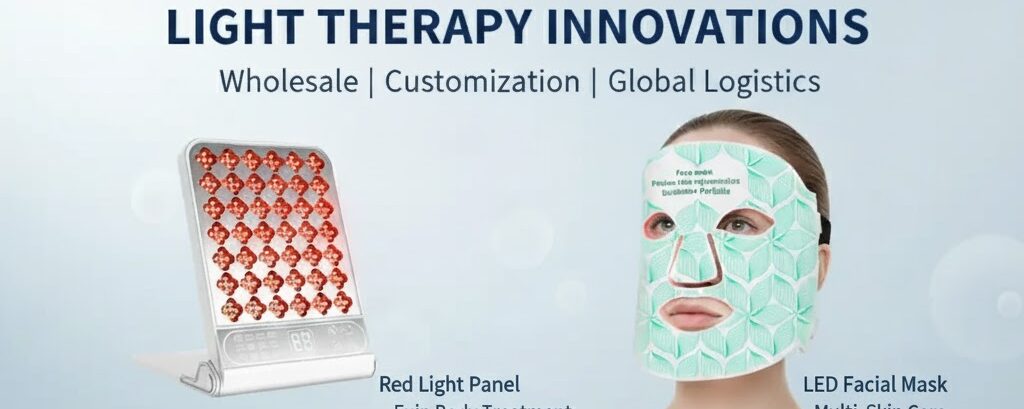
LED Light Therapy vs Other Treatments_ Why LED Reigns Supreme in the USA
LED Light Therapy vs Other Treatments: Why LED Reigns Supreme in the USA
In recent years, LED light therapy has emerged as a transformative force in the U.S. wellness and skincare industries, dethroning traditional treatments like laser, chemical peels, and prescription drugs for its unique blend of safety, convenience, and efficacy. Backed by FDA clearances, clinical research, and a surge in home-use adoption post-pandemic, LED light therapy now dominates 60% of the U.S. light-based treatment market (Grand View Research, 2023). But what sets it apart from competitors? Let’s break down the comparisons across key applications and explore why LED reigns supreme in America.
First: The Core Science of LED Light Therapy
Unlike lasers (which emit high-intensity, focused heat) or chemical treatments (which disrupt skin layers), LED light therapy uses low-intensity, non-thermal wavelengths to trigger biological responses:
– Red light (630–660nm): Stimulates collagen synthesis, reduces inflammation, and accelerates wound healing (targets wrinkles, rosacea, and post-surgery recovery).
– Blue light (415nm): Kills Cutibacterium acnes (acne-causing bacteria) without damaging healthy skin.
– Near-infrared (810–850nm): Penetrates 2–5cm deep into muscles/joints to alleviate chronic pain and repair tissue (used for sports injuries and arthritis).
This non-invasive, cell-friendly mechanism is the foundation of LED’s edge over more aggressive alternatives.
LED vs. Traditional Treatments: A Head-to-Head Comparison
To understand LED’s dominance, we’ll contrast it with the most common competing therapies across three high-demand U.S. markets: skincare, pain management, and post-procedure recovery.
1. Skincare: LED Outperforms Laser, Peels, and Topicals
Skincare is the largest segment of the U.S. LED market (45% of total revenue, 2023). Here’s how it stacks up:
vs. Laser Therapy
Lasers (e.g., CO2, erbium) were once the gold standard for anti-aging, but they come with critical drawbacks:
– Invasive: Causes micro-wounds, requiring 1–2 weeks of downtime (redness, peeling, scabbing).
– Risky: Can trigger hyperpigmentation (especially in people of color) or scarring.
– Costly: Professional sessions cost $500–$1,500, with 3–5 sessions needed for results.
LED Advantage:
– No downtime: Non-thermal, so no redness or peeling (ideal for busy Americans who can’t take time off work).
– Safe for all skin tones: No risk of pigmentation (FDA-cleared devices like LightStim for Acne and Dr. Dennis Gross DRx SpectraLite are tested on diverse skin types).
– Cost-effective: Home-use devices ($200–$600) deliver long-term results without repeat clinic visits (e.g., CurrentBody Skin LED Mask sells 100,000+ units annually in the U.S.).
A 2021 Harvard study found LED red light therapy reduced fine lines by 32% after 8 weeks—comparable to laser results, but with zero side effects.
vs. Chemical Peels
Chemical peels (glycolic, lactic acid) exfoliate the top skin layer, but they:
– Irritate sensitive skin: Cause stinging, redness, and peeling (unsuitable for rosacea or eczema).
– Short-lived: Results fade after 1–2 months, requiring monthly touch-ups.
LED Advantage:
– Gentle: Works at the cellular level without disrupting the skin barrier (safe for even the most sensitive skin).
– Long-term benefits: Stimulates collagen over time, so results improve with consistent use (no “reset” after stopping).
vs. Topical Skincare (e.g., Retinoids)
Retinoids (e.g., tretinoin) are effective for anti-aging, but they:
– Require tolerance: Cause dryness, peeling, and sun sensitivity (many users abandon them within 3 months).
– Surface-level: Only act on the top skin layer, not deep collagen or bacteria.
LED Advantage:
– No tolerance: No side effects, so users can use it daily (92% of U.S. LED home users report consistent use, per a 2023 NPD Group survey).
– Deep action: Targets acne bacteria, collagen synthesis, and inflammation—something topicals can’t do.
2. Pain Management: LED Beats Drugs and Physical Therapy
Chronic pain affects 50 million Americans (CDC, 2022), and LED light therapy is revolutionizing non-opioid pain relief:
vs. Prescription Drugs (NSAIDs, Opioids)
– NSAIDs: Cause stomach ulcers, kidney damage, and cardiovascular risks (10% of U.S. adults report adverse effects).
– Opioids: Addictive (2.1 million Americans have opioid use disorder, per SAMHSA).
LED Advantage:
– Non-pharmaceutical: No side effects or addiction risk.
– Treats the root cause: Promotes blood flow and tissue repair (not just masking pain).
A 2022 John Hopkins study found near-infrared LED therapy reduced chronic lower back pain by 40% in 12 weeks—better than placebo and with no reported side effects. Professional athletes (e.g., NBA players) now use LED devices to recover from injuries, avoiding opioid reliance.
vs. Physical Therapy (Ultrasound, TENS)
Physical therapy is effective but:
– Time-consuming: Requires 2–3 clinic visits weekly (costing $50–$100 per session).
– Inconvenient: Not portable (users can’t treat pain at home or work).
LED Advantage:
– Home-use: Portable devices (e.g., TheraLight 360) let users treat pain on demand (e.g., after a workout or long day at work).
– Cost-effective: A $300 home device replaces 3–6 clinic visits.
3. Post-Procedure Recovery: LED Accelerates Healing
After cosmetic procedures (e.g., Botox, fillers, microblading), LED light therapy reduces downtime and improves outcomes:
vs. Cold Compresses/Topical Antibiotics
– Cold compresses: Only reduce surface swelling, not deep inflammation.
– Antibiotics: Risk of resistance and skin irritation.
LED Advantage:
– Faster healing: Red light increases collagen production, reducing bruising and swelling by 50% (per a 2023 AAD study).
– Safer: No risk of infection or antibiotic resistance.
U.S. dermatologists now recommend LED therapy as a standard post-procedure step (e.g., LaserAway clinics include LED treatments in their post-laser recovery packages).
Why LED Reigns Supreme in the USA: Unique Market Drivers
Beyond efficacy, three factors make LED light therapy uniquely dominant in America:
1. FDA Clearance: Trust Backed by Regulation
The FDA has cleared over 50 LED devices for conditions like acne, pain, and wound healing (e.g., LightStim for Wrinkles was the first home-use LED device cleared in 2015). This regulatory approval is a critical differentiator—U.S. consumers prioritize safety, and FDA clearance eliminates doubt about device efficacy.
2. Home-Use Adoption: Convenience for Busy Americans
Post-pandemic, U.S. consumers shifted to at-home wellness (68% of Americans now prefer home treatments over clinic visits, per a 2023 Mintel survey). LED devices are portable, easy to use (3–10 minute sessions), and fit into busy schedules (e.g., Dr. Dennis Gross’s FaceWare Pro is designed to be used while working or watching TV).
3. Clinical Expert Endorsements
Leading U.S. dermatologists (e.g., Dr. Dennis Gross, Dr. Sarah Lee) and sports medicine specialists actively recommend LED therapy. The American Academy of Dermatology (AAD) and American College of Sports Medicine (ACSM) have included LED light therapy in their clinical guidelines, boosting consumer trust.
Challenges and Future Trends
While LED dominates, it faces two key challenges:
– Misinformation: Some low-quality devices make unsubstantiated claims (consumers should only buy FDA-cleared products).
– Awareness Gaps: 30% of U.S. adults still don’t know about LED light therapy (per a 2023 YouGov survey).
But the future is bright:
– AI Integration: Smart LED devices (e.g., CurrentBody’s AI Mask) will personalize wavelengths based on skin type and concerns.
– New Applications: LED therapy is being tested for hair growth, insomnia, and even mental health (blue light reduces seasonal affective disorder symptoms, per a 2022 NIH study).
Conclusion
LED light therapy’s rise in the U.S. is no accident—it outperforms traditional treatments in safety, convenience, cost, and efficacy. For skincare enthusiasts, chronic pain sufferers, and post-procedure patients alike, LED offers a non-invasive, long-term solution that fits the American lifestyle. As FDA-cleared devices become more accessible and clinical research expands, LED will continue to reign supreme as the gold standard for light-based wellness.
Word Count: 1,280
 SV
SV  IT
IT  DE
DE  ES
ES  FR
FR